
Ask anyone to think of an island connected with Scotch whisky and there will almost certainly be only one answer: Islay. The island, home to just over 3000 residents, is synonymous with Scottish whisky, so much so it has its own dedicated region. The island is famous for its peaty whiskies, with Ardbeg, Laphroaig, Lagavulin and Bruichladdich being especially renowned, admired and heavily sought after from all corners of the globe, with each also having substantial dedicated fan clubs. No wonder it’s the answer to the question initially posed. No other island, and Scotland has plenty of them, can compete. But in recent years, with the growth of the whisky industry seemingly on a continuous upwards trajectory, the other islands are starting to make some noise, so might they be about to compete at the top table of Scotch whisky?
Scotland has 93 inhabited islands, concentrated off the north and west coasts of the mainland. According to the 2011 census, 14 of those islands have a population of more than 1000, but over half have less than 100 residents. To have a fully functioning distillery and associated infrastructure today, your island would likely have to be on the larger size, so there’s only a limited number of islands that could support a distillery. Being on an island has one significant drawback to operating a distillery, and that of course is transport. If you are an island distillery, you’ll need equipment and possibly vast quantities of barley brought onto the island, and you’ll need to get your end product, in whatever form, off. Such a task would have been very difficult in years past. Some distilleries, particularly those on Islay, were designed with easy access from the sea in mind, but that’s a relative term when you compare their situation to those distilleries on the mainland close to rail and road links. Even today it isn’t much simpler with aging ferry fleets, an increase in tourists taking up crossing space and higher fuel costs. This might go some way to explaining the lack of island distilleries over the years, and the increase in distilleries closer to the major target markets. If you struggle to get the people, equipment or ingredients to function, and getting your product to its audience is difficult, what’s the point?

The islands, with the exception of Islay, are so historically underrepresented in the malt whisky landscape they officially do not have their own region and instead, are captured within the Highland region. That may have made sense previously given their closeness to many Highland distilleries and when the few whisky producing islands only had one major distillery (although Orkney was an exception with both Highland Park and Scapa having long storied histories dating to the 18th and 19th century respectively). There’s also a vast range of flavours and influences across the island whiskies. The regionality idea was initially meant to group distilleries and their whiskies based on common themes (primarily flavour profiles), but such an idea wasn’t overly practical for the islands. We can go from the heavy, volcanic Skye whiskies of Talisker to the lighter whiskies from Jura with plenty of others in between.
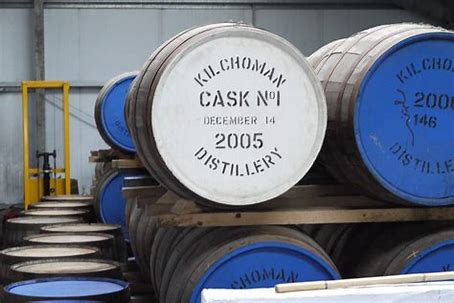
Despite their lack of production within the larger whisky industry in the last 100 years or so, the islands have long been in the commercial whisky business. Islay led the way with Bowmore opening in 1779 and Ardbeg not long after, with Tobermory on Mull being built around 1795 and Highland Park before the turn of the century. The 19th century saw an explosion in the island distillery craze with Jura and Skye entering the fray, with an ever-increasing number of distilleries appearing on Islay. Of the Islay distilleries operating today, 6 opened in that century. In fact, after that mad rush, it took over 120 years for the next distillery to open and start producing whisky on the island (this was Kilchoman which opened in 2009). Almost every island would have had some sort of distillery on the go throughout the 18th and 19th centuries, but most would have been small and most likely illicit so records can be unreliable. Lewis, the largest of all the Scottish islands, had no official distillery after 1840. Tobermory might have continuously been present in its namesake town, but it hasn’t always been producing whisky and has gone through long periods of interruptions and various owners, even up to the present day. The whisky industry itself was generally on the downturn throughout that time period, the islands just suffered worse. A story that mirrors The Clearances, perhaps not coincidentally.
As the whisky industry bounced back throughout the 1900s, the islands didn’t quite ride that wave. Islay generally kept up because of its proud and unique stories and whiskies, but the others trudged along meekly. Not until the 1990’s when the islanders on Arran helped to fund the new distillery at Lochranza, on the north coast of the island, did a new functioning distillery open on any of the islands. But as it turned out, it was the just the first on the crest of the new wave of island whisky as momentum started to build.
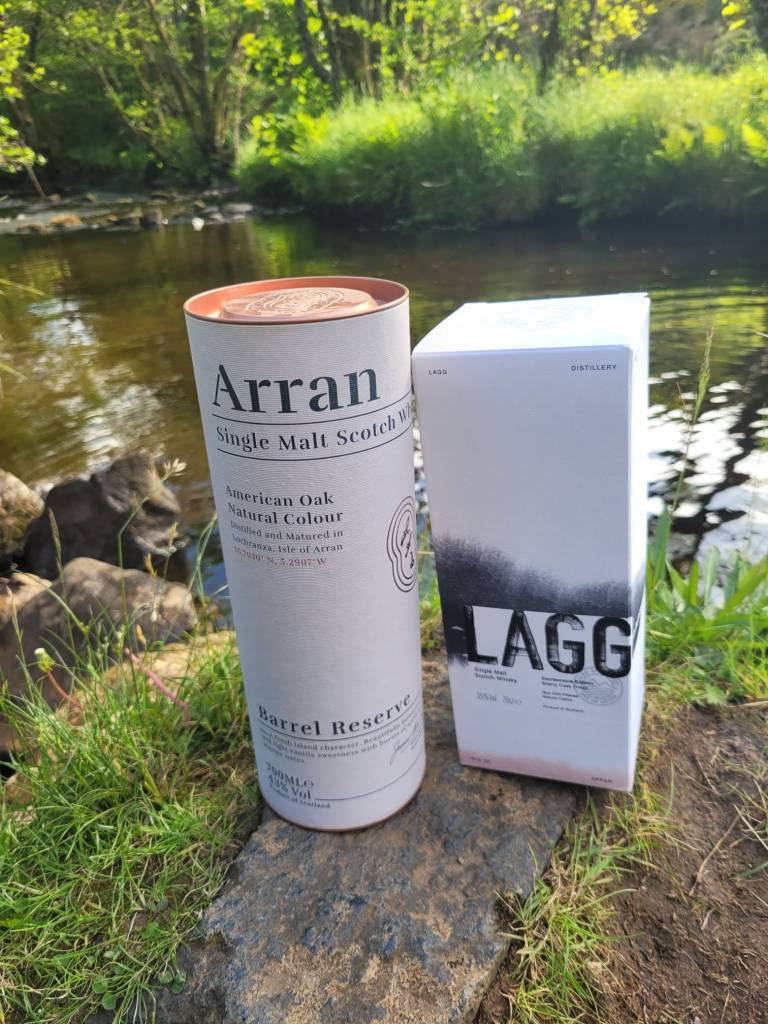
Since the Millennium Bug failed to destroy us all as the calendar turned over to January 1st 2000, the number of operational distilleries in the islands has increased at the fastest rate since the boom of the mid-1800s. Kilchoman was first in the late 00’s, but others followed suit quickly. Scapa returned to full production around the same time after being fully restored and then taken over by Pernod Richard following years of minimal production and the threat of closure. For the first time since 1840, Lewis became a player on the whisky market when Abhainn Dearg produced their first whisky in 2008 in a former salmon hatchery on the rugged and wild west coast of the island (for context, the next stop westward would be Newfoundland. Across the Atlantic. In Canada). Skye finally got its second distillery when Torabhaig opened in 2017 (with a heavy peat style to echo its neighbour Talisker and to pay homage to Islay). Around the same time, Raasay distillery opened on the small namesake island off the east coast of Skye, putting 3 island distilleries within close proximity of each other. And after the success of the first Arran whisky, the group behind the distillery built a second operation on the south end of the island which they named Lagg. The initial distillery was subsequently renamed to be Lochranza, and the decision was made to have it focus on unpeated malts, while Lagg entered the peated market. Both Arran distilleries have built a formidable reputation for quality whiskies that show that the island distilleries are not just there to make up numbers.
Determined to leverage the popularity of the Islay bandwagon, multiple new and reopened distilleries are on the horizon for the famous island. Ardnahoe became the ninth operational distillery on the island when it began distilling in 2018 and has just released its inaugural single malt. Diageo have spent a significant sum of money in Port Ellen to bring the distillery and visitor centre back to the forefront of the island, and the wider industry. With its opening, to great fanfare, in early 2024, there are now 10 active distilleries on the island. A further 2 (Portintruan and Laggan Bay) are in the pipeline, and it wouldn’t be unrealistic to see some previously shuttered locations reopened before too long. Or perhaps an expansion to the neighbouring island of Jura, which is the smallest island by population that has a functioning whisky distillery. The island’s approximately 200 inhabitants are supposed to be outnumbered 10:1 by red deer, so another job producing venture might be appreciated but its whisky is markedly different from the peaty, and often heavier, Islay whiskies so how attractive a business proposition that might be is unclear.
Islands that have not been in on the whisky scene recently are now also entering from stage left. The Lerwick Distillery in Shetland is nearing an opening later this year, although it won’t be open to visitors for a bit longer, and it will be even longer until they have a proper malt available. When it does open, it will become the most northerly distillery in Scotland. While Lewis has had its whisky distillery for over 15 years, The Isle of Harris joined the Western Isles whisky club recently with their first release of “The Hearach”, and the club won’t stop there with both Barra and Benbecula hoping to join soon. Barra of course has long produced the well-regarded Barra Atlantic Gin so a move into whisky seems obvious, but the small island of Benbecula, home to just over 1,000 residents, may have 2 separate whisky distilleries soon which is far less obvious. The team behind the North Uist Distillery, home of Downpour Gin, are hoping to open their new distillery at Nunton Steadings where they will produce the Nunton Whisky. They plan to use a variety of barley, known as Bere Barley, which is the only variety farmed on the islands so it will certainly give their whisky a unique edge, and a sense of hyper-locality. The second distillery, known simply as Benbecula, will also repurpose an existing building that formed a mainstay of life in the Outer Hebrides in the past, much like Abhainn Dearg on Lewis, just this time it is an old crab processing building and not a salmon hatchery. And it features a very splendid looking lighthouse (on the inland side so as to not confuse any sea-going vessels) which will hold an illuminated still that will surely make the distillery a stand-out landmark on the island. There’s not much else publicly available, but MacMillian Spirits, who are spearheading the project, have been bottling spirits for a number of years and have ambitions plans for their new distillery, including having a cask investment programme available ahead of the release of any malts. And the Isle of Tiree Distillery will have their first single malt released in 2025, after a very successful foray into the gin market. Their whisky will be unpeated but expect it to have heavy influence from the sea given that the distillery is only around 100 metres from the shoreline. They are also entering a grain whisky onto the market, made up of 70% rye and 30% barley, so it will be interesting to see what else comes from the island in the future.
So what’s behind the increasing number of island distilleries? There’s not one definitive answer, instead there’s a myriad of factors at play. The surge in whisky drinking in general has fuelled a drive for more production, and thus more options are available and viable. Business is generally good so opening a distillery has almost never been a better decision. Factor in that many young distilleries can make ends meet in the early days by making gin or having a cask programme, and it makes real sense, and this is something many of the newer island distilleries have excelled in. Many of the distilleries also started to make a significant impact on island life. The Isle of Harris distillery was established in 2015 to try to reverse the decline in population on the island and to boost the local economy, and it has certainly paid off with the distillery now employing over 50 full time workers. That kind of injection of money and staff can snowball quickly into more homes, more demand for shops, schools and doctors, more support for other local businesses and chance for island life to become more sustainable in the future. They can also provide sponsorship to local clubs, provide prizes to raffles and auctions and play a role in supporting long established events like Highland Games or gala weeks. Even back in the midst of the pandemic, Tobermory helped to provide hand sanitiser to local groups rather than relying on dwindling supplies from the mainland to keep the island functioning.
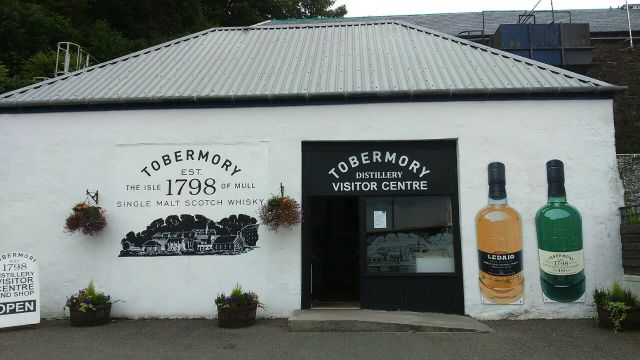
Islands bring a unique marketing angle too. Despite the ever-connected world we live in, Scottish islands are still relatively isolated and that provides a twist that can exploited for the purposes of marketing. Many of the islands have their own uniqueness that can be incorporated into how their whisky is presented; look no further than the Viking heritage present across the Highland Park range for a great example. Islands are also major tourist attractions in themselves which can provide 2 benefits. Many people visit islands year on year or have ties to islands through family or friends (the so-called Scottish island diaspora is very alive and well), so there’s almost nothing better than having a whisky on your shelf from that island you love so dearly. And for the more casual island visitors, maybe picking up a bottle on your adventures can be a reminder of that trip in years to come. That in itself plays a part in something the newer island distilleries have sought to develop, with more established ones also getting in on the action. Visitor centres.
Distillery tours and visitor attractions have long been a staple of many distilleries, but not all. As tourism in Scotland continues to grow, the whisky industry has seen the interest in whisky tourism grow too. Island distilleries can exploit this relatively easily. Most visitors to the islands tend to stay for a week or so, and as such, they need plenty to fill their time, there’s only so much scenery and sea you can experience. So what better way to spend a day than getting a distillery tour, finding out some history or more about the local environment, and enjoying a dram (or something else if you are driving)? Some of the newer distilleries have really leant into this as it’s easier to build it when you are starting out. Lagg was partly developed with the visitor in mind with the design of the buildings (and bottles) made to mimic the surrounding landscape. But the older, more established ones aren’t being left behind. Diageo have recently overhauled the visitor experience at Talisker, and the early indications are that it’s been a real success. By some metrics, Skye is the second most popular destination for tourists in Scotland, so it makes complete sense for Diageo to spend big on the island. They expect the revamped experience to be able to easily welcome over 150,000 visitors a year, double what they have had in the past. Quite astounding numbers, but perhaps not overly unrealistic. In fact, Diageo is so sure about the continued growth of whisky tourism, they have invested over £185 million into revamping their visitor centres in recent years, and Talisker will have received a generous portion of that as Diageo’s most visited distillery. With tourism of all sorts, but especially whisky tourism, likely to continue to expand within Scotland, it makes sense for the islands to continue to grow as a whisky producing concept. How long before Mull or Lewis gets a second whisky distillery? Bute remains without one, but surely that will change soon.
The islands of Scotland are coming back on the whisky scene, often with a more modern approach to flavour, creation, marketing or architecture. While Islay remains atop the island pyramid, others like Arran, Orkney and Skye are making their mark in a big way. It won’t be long until the number of island distilleries is catching up with the Lowlands, and it’s already ahead of Islay and Campbeltown. And there might still be plenty more room for growth. Whilst the number of islands in the whisky business is increasing, we have to remember this is off the back of the number being decimated in the past. It’s not so much a new phenomenon, it’s more a move towards a return to the past. The island distilleries might lack a flavour or distillation commonality that forms the basis of the SWA regions, but look outside the box a little. Each island is unique in its own way, so is each island distillery and its history, and so is each island whisky. Perhaps that uniqueness is what binds them all together in the end.
 Sean black - Freelance writer